



Dystopian Sci-Fi Film: Visions of Dark Futures and Technological Anxiety
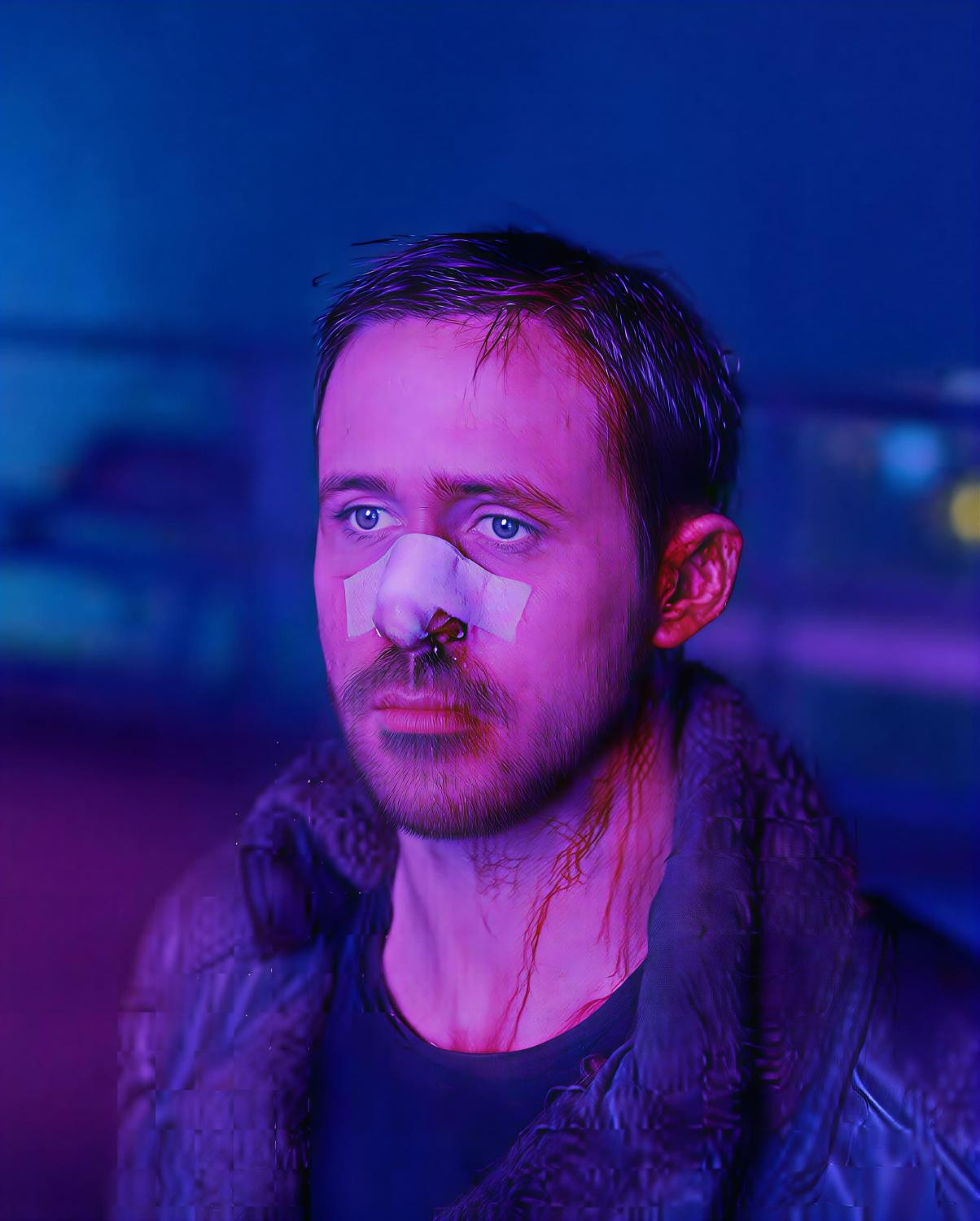
Dystopian Sci-Fi Film: Visions of Dark Futures and Technological Anxiety
Directorate of the Institute of Film and Media Studies
First Published: Monday, December 1, 2025
Last Update: Monday, December 1, 2025
Boğaziçi University’s Institute of Film and Media Studies concludes the year with its December 2025 film screening program, “Dystopian Sci-Fi Film: Visions of Dark Futures and Technological Anxiety,” a month-long exploration of cinema’s most haunting imaginings of the future.
Bringing together canonical works from the silent era to contemporary science fiction, the program traces how filmmakers across different decades have visualized authoritarianism, technological overreach, and the fragility of the human condition. The December program traces a rich cinematic journey through the shifting fears and fantasies that have shaped dystopian science fiction across the past century.
Beginning with Fritz Lang’s Metropolis, a foundational vision of industrial alienation, the series moves through Cold War allegories such as Truffaut’s Fahrenheit 451 and Tarkovsky’s Stalker, before arriving at the postmodern anxieties of Ridley Scott’s Blade Runner and its neon-lit meditations on identity and surveillance. These concerns echo through Radford’s 1984 and Gilliam’s Brazil, both of which imagine worlds suffocated by bureaucratic and authoritarian control.
The program then turns to late–twentieth-century narratives of biological collapse and technological overreach, from 12 Monkeys and Gattaca to the Wachowskis’ genre-defining The Matrix. In the twenty-first century selections, dystopia becomes a lens for examining viral catastrophe (28 Days Later), political repression (V for Vendetta), global infertility (Children of Men), and the brutal logics of resource scarcity and survivalism (The Hunger Games, Mad Max: Fury Road).
The retrospective culminates with Villeneuve’s Blade Runner 2049 and Whannell’s Upgrade, both of which probe the fragile boundaries between human and machine. Together, these films reveal how dystopian cinema continually adapts to new cultural pressures, offering audiences a way to confront—and imagine beyond—the technological, ecological, and political crises of their own time.
Tue, Dec 2, 2025
Metropolis (Fritz Lang, 1927)
Wed, Dec 3, 2025
Fahrenheit 451 (François Truffaut, 1966)
Thu, Dec 4, 2025
Stalker (Andrei Tarkovsky, 1979)
Fri, Dec 5, 2025, 18:00
Blade Runner (Ridley Scott, 1982)
Tue, Dec 9, 2025
1984 (Nineteen Eighty-Four, Michael Radford, 1984)
Wed, Dec 10, 2025
Brazil (Terry Gilliam, 1985)
Thu, Dec 11, 2025
12 Monkeys (Twelve Monkeys, Terry Gilliam, 1995)
Fri, Dec 12, 2025
Gattaca (Andrew Niccol, 1997)
Tue, Dec 16, 2025
The Matrix (Lana Wachowski & Lilly Wachowski, 1999)
Wed, Dec 17, 2025
28 Days Later (Danny Boyle, 2002)
Thu, Dec 18, 2025
V for Vendetta (James McTeigue, 2005)
Fri, Dec 19, 2025
Children of Men (Alfonso Cuarón, 2006)
Tue, Dec 23, 2025
The Hunger Games (Gary Ross, 2012)
Wed, Dec 24, 2025
Mad Max: Fury Road (George Miller, 2015)
Thu, Dec 25, 2025
Blade Runner 2049 (Denis Villeneuve, 2017)
Fri, Dec 26, 2025, 18:00
Upgrade (Leigh Whannell, 2018)
--
Mon, Tue, Wed, Thu & Fri
18:00
Mithat Alam Hall (Open: Monday to Friday, 9:00–21:00)
--
For Students (Open to External Students)
Free Admission (Registration Required for Each Event)
--
Follow us on Instagram @ifms.filmscreenings for weekly event registration forms and updates.
For questions or further information, contact us at filmscreenings@bogazici.edu.tr
--
Copyright & Fair Use Disclaimer: The film screenings at the IFMS Mithat Alam Hall on our university campus are conducted exclusively for educational purposes, with no commercial intent. This educational use complies with the “fair use” provisions established under national and international copyright laws and treaties. Both domestic and international laws governing copyright exceptions for education and research—including the Turkish Copyright Law (The Intellectual and Artistic Works Act 1951, No. 5846, Article 33), the Berne Convention for the Protection of Literary and Artistic Works (Article 10/2), the TRIPS Agreement (Article 13), the WIPO Copyright Treaty (WCT, Article 10), and the WIPO Performances and Phonograms Treaty (WPPT, Article 16)—explicitly permit the screening of cinematic works within educational institutions, provided there is no financial gain involved. Our screenings are strictly for educational purposes and fully adhere to these legal frameworks. Admission is free of charge and open exclusively to students. However, external attendees may also join, provided they present a valid student ID card at the South Campus entrance. We appreciate your cooperation and understanding in maintaining the educational integrity of these screenings.
Etkinlik Başlığı:
Dystopian Sci-Fi Film: Visions of Dark Futures and Technological Anxiety
Etkinlik Türü:
Aylık Film Gösterim Programı
Yer:
Mithat Alam Hall, Güney Kampüs
Tarih ve Saat:
Pazartesi, Aralık 1, 2025 - 18:00
